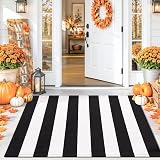
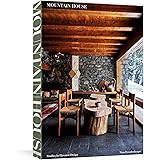
Many individuals find themselves staring at a blank canvas or a tired space, yearning for that elusive ‘wow’ factor. Achieving an amazing room decor idea isn’t merely about assembling attractive items; it demands a nuanced understanding of design principles and meticulous execution. The accompanying video offers a dynamic visual springboard for inspiration, showcasing transformative possibilities. This comprehensive guide expands upon those visuals, equipping you with expert strategies to elevate your own living space into a functional, aesthetically pleasing masterpiece.
Decoding the Essence of Amazing Room Decor
What truly makes a room’s decor transcend the ordinary? It’s a synthesis of thoughtful planning, understanding spatial dynamics, and a keen eye for detail. An amazing room decor idea isn’t just about what you see, but how the space makes you feel and function within it. It involves a curated aesthetic, where every element — from the largest furniture piece to the smallest accent — contributes to a cohesive narrative.
Consider the overarching objective: are you aiming for a tranquil sanctuary, a vibrant social hub, or a productive workspace? Defining this purpose early on is critical. This foundational intent guides all subsequent decisions, ensuring your room decor is not only visually striking but also supremely functional and reflective of your personal style. Ignoring this step often leads to disjointed spaces that lack character and purpose.
1. Mastering the Fundamentals: Key Design Principles for Exceptional Room Decor
Before diving into specific items, a solid grasp of fundamental interior design principles is paramount. These are the architectural blueprints for any successful room decor project:
- Scale and Proportion: Ensure furniture and decor elements are appropriately sized for the room. A colossal sofa in a small apartment feels oppressive, just as diminutive pieces in a grand hall appear lost. Maintaining proper scale creates visual harmony.
- Balance: This can be symmetrical (identical elements on either side of a central axis) or asymmetrical (different elements with equal visual weight). Asymmetrical balance often feels more dynamic and contemporary, like pairing a large armchair with a leaner, taller floor lamp.
- Rhythm and Repetition: Introducing repeated patterns, colors, or textures guides the eye through the space, creating a sense of movement and continuity. This could be a repeated geometric motif in throw pillows and an area rug, or a consistent material like wood grain across different furniture pieces.
- Emphasis and Focal Point: Every room benefits from a clear focal point – an architectural feature like a fireplace, a striking piece of art, or a beautifully designed accent wall. Arrange other elements to subtly draw attention to this central feature.
- Harmony and Unity: All components within the room should feel like they belong together, contributing to a unified theme. This doesn’t mean everything must match exactly, but rather that colors, textures, and styles should complement each other to create a cohesive whole.
2. Crafting Your Visual Story: Color Palettes and Materiality
The strategic deployment of color and texture is central to any amazing room decor idea. These elements evoke mood, define zones, and add tactile richness.
- Color Theory in Practice: Beyond simply picking your favorite hues, consider how colors interact. A monochromatic scheme (variations of a single color) creates a sophisticated, calming effect. Complementary colors (opposites on the color wheel, like blue and orange) provide vibrant contrast when used judiciously. Analogous colors (next to each other on the color wheel, like blue, blue-green, and green) offer a serene transition. Understanding color temperature—warm tones for coziness, cool tones for spaciousness—allows for masterful manipulation of perception.
- Layering Textures: A room rich in texture feels inviting and luxurious. Combine smooth glass with rough wood, soft velvet with crisp linen, or sleek metal with plush wool. This interplay prevents a room from feeling flat, adding depth and interest. Think beyond just fabrics; incorporate textured wallpaper, woven baskets, or even sculptural elements with distinct surfaces.
- Pattern Play: Patterns introduce visual energy. Mix different scales of patterns – a large-scale floral on an accent chair with a subtle stripe on cushions, or a geometric rug grounding simpler upholstery. The key is to vary the patterns while maintaining a consistent color palette to avoid visual clutter.
3. Illuminating Your Vision: Strategic Lighting Design
Often underestimated, lighting is a pivotal component of any successful room decor. It sculpts space, highlights features, and influences mood.
- Ambient Lighting: This is your general overhead light, providing overall illumination. Recessed lighting, track lighting, or a central pendant fixture falls into this category. It establishes the room’s baseline brightness.
- Task Lighting: Focused illumination for specific activities, such as reading lamps by a sofa, under-cabinet lighting in a kitchen, or a desk lamp. Proper task lighting prevents eye strain and enhances functionality.
- Accent Lighting: Used to draw attention to architectural features, artwork, or decorative objects. Wall sconces, picture lights, or spotlights can create dramatic effects, adding depth and visual interest to your room decor.
- Dimmer Switches and Smart Lighting: Implementing dimmer switches for all light sources offers unparalleled flexibility, allowing you to adjust the ambiance for different times of day or occasions. Smart lighting systems take this further, offering color temperature control and automated scheduling, enhancing both aesthetics and convenience.
4. The Art of Arrangement: Furniture Placement and Flow
Effective furniture arrangement is paramount for both aesthetics and functionality. It dictates how one navigates and interacts with the space.
- Defining Zones: In open-concept living, furniture can delineate distinct areas for dining, lounging, or working without needing walls. An area rug can anchor a seating arrangement, for instance, clearly defining the living area within a larger room.
- Ensuring Traffic Flow: Always maintain clear pathways. There should be ample space to move around furniture without bumping into anything. Aim for at least 30-36 inches for main pathways and 18-24 inches between a sofa and coffee table.
- Creating Conversation Areas: Arrange seating so that individuals can comfortably converse without shouting or craning their necks. Typically, sofas and chairs should face each other or be angled towards a central focal point.
- Leveraging Negative Space: Don’t feel compelled to fill every corner. Strategic empty space, also known as negative space, allows the eye to rest and can make a room feel larger and less cluttered. It’s a sophisticated element of good room decor.
5. Personalizing Your Sanctuary: Accessories and Articulation
The final layer of room decor is where your personality truly shines. Thoughtful accessorizing transforms a house into a home.
- Curated Objects: Avoid generic ‘filler.’ Instead, select items that hold meaning, tell a story, or reflect your passions. This could be travel souvenirs, heirlooms, or artisanal pieces. A collection of vintage cameras displayed on a shelf speaks volumes about the occupant’s interests.
- Biophilic Elements: Incorporating plants brings life, color, and a sense of calm to any room. Beyond aesthetics, studies suggest plants can improve air quality and reduce stress. Consider varying plant heights, leaf textures, and pot styles for visual diversity.
- Art Integration: Art is a powerful statement. Whether it’s a large canvas, a gallery wall, or sculptures, art should resonate with you. Pay attention to hanging height – typically, the center of the artwork should be at eye level (around 57-60 inches from the floor).
- Books and Other Media: Display books, magazines, or vinyl records not just for function, but as decor elements. A well-styled bookshelf can be a focal point in itself, offering a glimpse into your intellectual or artistic leanings.
6. Budget-Conscious Brilliance: Achieving High-Impact Room Decor on a Shoestring
An amazing room decor idea doesn’t necessitate an astronomical budget. Ingenuity and strategic choices can yield stunning results.
- DIY Projects: Embrace the power of do-it-yourself. Simple projects like painting an old dresser, reupholstering a chair, or crafting your own wall art can dramatically change a room’s aesthetic for minimal cost. These projects also inject unique personality.
- Thrifting and Upcycling: Scour flea markets, antique shops, and online marketplaces for hidden gems. An old ladder can become a stylish blanket holder, or a vintage trunk can double as a coffee table with added storage. The patina of pre-loved items often adds character that new pieces lack.
- Strategic Splurges: Identify one or two key pieces where a higher investment makes sense – perhaps a comfortable sofa or a significant piece of art. These anchors can elevate the perception of the entire space, allowing you to economize on other elements.
- Leveraging Paint: A fresh coat of paint is one of the most cost-effective ways to transform a room. Consider accent walls, painted ceilings, or even painting old furniture to give it a new lease on life.
7. Professional Finishing Touches: Elevating Your Room Decor from Good to Grand
The final details are what differentiate a well-decorated room from an truly amazing room decor idea.
- Sensory Engagement: Don’t forget the non-visual elements. Scent plays a huge role in creating ambiance. Incorporate diffusers, candles, or fresh flowers. Consider the acoustics of the room; rugs and soft furnishings absorb sound, making a space feel cozier and more intimate.
- Smart Home Integration: Seamlessly integrate technology. Smart blinds, voice-controlled lighting, and hidden charging stations contribute to a streamlined, modern aesthetic and enhance daily convenience.
- Maintenance and Organization: A beautifully designed room loses its impact if it’s perpetually cluttered. Integrate clever storage solutions – ottomans with hidden compartments, built-in shelving, or stylish baskets – to maintain a pristine environment. Regular decluttering is a crucial, ongoing aspect of maintaining an amazing room decor.
- Seasonal Refresh: Periodically update small elements like throw pillows, blankets, or decorative accessories to reflect changing seasons or personal tastes. This keeps your room decor feeling fresh and dynamic without needing a complete overhaul.
Implementing these expert strategies will undoubtedly help you achieve an amazing room decor idea that is both beautiful and deeply personal.
Your Room for Questions
What makes a room’s decor truly “amazing”?
Amazing room decor goes beyond just attractive items; it involves thoughtful planning, understanding the space, and making it feel good and functional for you. It should reflect your personal style and purpose.
What’s the first step to planning my room decor?
Begin by defining the room’s main purpose, such as a tranquil sanctuary, a vibrant social area, or a productive workspace. This foundational intent will guide all your subsequent design decisions.
Are there basic rules for arranging furniture and decorations?
Yes, key design principles include ensuring furniture is the right size for the room (scale), creating visual balance, and having a clear focal point. Always ensure clear pathways for easy movement.
How can different types of lighting improve my room?
Strategic lighting involves using ambient (general), task (for activities), and accent (to highlight features) lighting to sculpt the space and influence mood. Dimmer switches offer flexibility to adjust the atmosphere.
Is it possible to create amazing room decor without spending a lot of money?
Absolutely! Cost-effective ways include DIY projects, finding unique items at thrift stores, and using a fresh coat of paint to transform a room. You can also strategically invest in one or two key pieces and save on others.