The short, insightful video above highlights three pivotal interior design mistakes that can significantly detract from your home’s aesthetic and functionality. While these rapid-fire tips offer excellent immediate guidance, understanding the deeper implications and comprehensive solutions for each can transform your living space into a truly optimized and enjoyable environment. Avoiding common pitfalls in interior design is crucial for cultivating a home that feels both cohesive and personally resonant, ensuring long-term satisfaction with your decor choices.
Taming the Clutter Beast: Overcoming Common Interior Design Mistakes
One of the most pervasive interior design mistakes, as rightly pointed out, involves allowing clutter to remain visible and uncontrolled. A cluttered space often feels chaotic, overwhelming, and even smaller than it actually is, much like trying to appreciate a beautiful painting while a flurry of distracting objects surrounds it. This visual noise hinders the perception of carefully chosen decor items and creates an atmosphere of disarray rather than a serene sanctuary. Consequently, guests may feel uncomfortable, and residents might experience increased stress levels, undermining the very purpose of a relaxing home environment.
The Silent Saboteur: How Clutter Diminishes Your Space
Clutter operates as a silent saboteur within your home, eroding both its beauty and its practical utility. Every stray item, from unread mail to forgotten trinkets, contributes to a sense of visual weight that can make a room feel heavy and suffocating. Rather than creating a focal point, scattered items draw the eye in multiple directions, preventing any single design element from truly standing out. Furthermore, excessive visible items complicate cleaning and maintenance, which means the functional aspects of your home are also negatively impacted. This common home decor mistake can rapidly degrade the perceived value and enjoyment of any interior.
Strategic Solutions for a Serene Sanctuary
Addressing the issue of clutter requires a strategic and proactive approach, moving beyond simply tidying up. Initially, consider a rigorous decluttering session, thoughtfully assessing each item’s necessity and sentimental value before finding it a permanent home. Implementing smart storage solutions like decorative baskets, closed cabinets, or ottomans with hidden compartments can effectively conceal items while maintaining aesthetic appeal. In contrast to leaving things exposed, these solutions integrate seamlessly into your existing decor, ensuring that functional storage also serves a decorative purpose. Establishing daily habits like putting items away immediately after use significantly prevents clutter from accumulating in the first place, reinforcing good organizational practices.
Elevating Your Windows: Mastering Curtain Placement to Avoid Design Mistakes
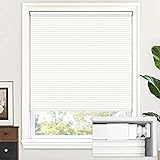
The video astutely highlights another common error: hanging curtains too low, which effectively shortens the perceived height of a room. Properly hung curtains, extending ideally from just below the ceiling to the floor, act as a visual trick that draws the eye upward, creating an illusion of greater height and grandeur. Conversely, when curtains are hung directly above the window frame, they chop the vertical line of the wall, making the window appear smaller and the ceiling lower. This design mistake is akin to framing a masterpiece too tightly, diminishing its expansive impact and potential.
The Illusion of Height: Curtains as Vertical Anchors
Curtains, when deployed correctly, serve as powerful vertical anchors within a room, dramatically influencing its perceived spaciousness. By hanging curtain rods several inches above the window frame, or even closer to the ceiling, you extend the visual line of the window, thereby making the walls seem taller and the room more expansive. This technique is especially beneficial in rooms with standard or lower ceilings, where every inch of perceived height makes a considerable difference. Instead of drawing attention to the window’s actual dimensions, this method cleverly emphasizes the entire wall and the lofty aspirations of the design.
Achieving Visual Harmony with Proper Draping
Beyond height, the width and fullness of curtains also play a crucial role in avoiding common decorating mistakes and achieving visual harmony. Curtain rods should extend several inches beyond the window frame on each side, allowing the curtains to be pulled completely off the glass when open, maximizing natural light. For an opulent and custom look, ensure your curtains are at least 1.5 to 2 times the width of your window, providing sufficient fullness even when closed. Furthermore, ensuring the fabric just kisses the floor or pools slightly adds a refined, tailored finish, contrasting sharply with curtains that are too short and look like ill-fitting garments on your windows.
Beyond the Hype: Embracing Personal Style Over Fleeting Trends in Home Decor
The final, perhaps most crucial, piece of advice from the video centers on the folly of decorating with trendy items that lack personal resonance. While current trends can offer inspiration, blindly following them often leads to a home that feels generic and soulless, much like a store display rather than a lived-in space. Opting for items you genuinely love, items that tell a story or hold sentimental value, ensures your home reflects your unique personality and provides lasting joy. This approach is fundamental to cultivating a home that truly feels like an extension of yourself, rather than a transient collection of popular objects.
The Peril of Impersonal Purchases: Why Trends Often Fall Flat
The allure of transient trends presents a significant peril for homeowners seeking enduring design. Trend-driven purchases frequently lose their appeal as quickly as they gained popularity, leading to a constant desire for updating and redecorating. This cycle often results in wasted money and a home that perpetually feels out of sync, lacking a foundational aesthetic. Instead of investing in quality pieces that genuinely resonate, one might find themselves surrounded by decor that felt exciting for a moment but now contributes to a feeling of disconnection. This frequent decorating mistake prevents the development of a timeless and personal sanctuary.
Cultivating a Collection That Resonates with Your Soul
Cultivating a collection of decor items that resonate deeply with your soul involves a shift from impulsive buying to thoughtful acquisition. Begin by identifying your personal aesthetic, considering colors, textures, and styles that genuinely appeal to you, rather than just what is currently in vogue. Seek out unique pieces from antique shops, local artisans, or even incorporate cherished family heirlooms that infuse your space with character and history. In contrast to a trend-focused approach, every item chosen for its inherent beauty and personal meaning contributes to a richer, more authentic narrative within your home. By avoiding these common interior design mistakes, you build a foundation of decor that will bring contentment for years to come.
From Flaws to Flawless: Your Interior Design Q&A
Why is visible clutter considered a design mistake?
Visible clutter makes a space feel chaotic, overwhelming, and smaller than it is. It distracts from your chosen decor and can create an atmosphere of disarray.
What is the best way to hang curtains?
Curtains should be hung high, ideally from just below the ceiling, and extend all the way to the floor. This creates an illusion of greater room height and grandeur.
Why is it important to choose personal decor over just following trends?
Blindly following trends can make your home feel generic and soulless, and trendy items often lose their appeal quickly. Choosing items you genuinely love ensures your home reflects your personality and provides lasting joy.