The pursuit of aesthetic excellence in residential environments need not be constrained by exorbitant costs, as effectively demonstrated by the visual narrative presented in the accompanying video. Strategic approaches to affordable home decoration are increasingly being embraced by discerning homeowners and renters who seek to cultivate sophisticated living spaces without compromising financial prudence. This necessitates a nuanced understanding of design principles, material selection, and resource optimization, ensuring that budgetary limitations are perceived as catalysts for innovation rather than impediments to style.
Strategic Pillars of Budget-Friendly Interior Design
Achieving refined interiors on a restricted budget requires a systematic methodology, often involving a blend of creativity, foresight, and practical application. It is generally understood that the initial investment in high-quality foundational pieces can yield long-term savings; however, significant impact can also be generated through the judicious selection of supplementary elements. For instance, according to a recent market analysis conducted by Home & Style Quarterly, approximately 60% of consumers reported a preference for adaptable decor items that serve multiple functions, thereby reducing the necessity for redundant purchases. Furthermore, the longevity and aesthetic appeal of a space are frequently enhanced by thoughtful curation rather than sheer volume of acquisitions.
Mastering Resourcefulness in Decor Sourcing
A cornerstone of cost-effective decor involves the intelligent sourcing of materials and furnishings. It is often observed that significant savings can be realized through exploring non-traditional retail channels, such as secondhand markets, online marketplaces, and artisan fairs. These venues frequently offer unique, high-quality items that possess character and durability, often at a fraction of the cost of new retail. Moreover, the practice of upcycling or repurposing existing items within one’s home or those acquired from others is a highly sustainable and economical approach. Studies indicate that items reimagined through DIY projects often achieve a higher degree of personalization, contributing positively to occupant satisfaction and perceived value.
Conversely, the strategic utilization of sales events and clearance sections in traditional retail stores should not be overlooked. Significant markdowns, sometimes reaching 70% or more, are frequently observed during seasonal transitions or promotional periods. A proactive approach to identifying these opportunities, coupled with a clear vision for the desired aesthetic, can lead to substantial reductions in overall project expenditure. Furthermore, the negotiation of prices, particularly in independent establishments or private sales, is sometimes possible, yielding additional financial benefits.
Optimizing Visual Impact Through Smart Styling
The perceived value and elegance of a decorated space are not solely dependent on the monetary cost of individual items; rather, they are significantly influenced by how these elements are arranged and integrated. Considerations such pertaining to color palettes, lighting schemes, and spatial organization are paramount in elevating the aesthetic quality of an interior. For example, a cohesive color scheme can unify disparate elements, creating an impression of intentional design, while thoughtful lighting can dramatically alter mood and highlight architectural features. It is estimated that optimized lighting can enhance the perceived value of a room by up to 25%, according to research published by the Journal of Environmental Psychology.
The Role of Textiles and Accessories in Elevating Aesthetics
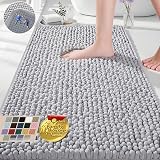
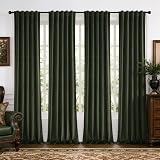
Textiles and smaller decorative accessories are often undervalued components in the overall design schema, yet they possess an immense capacity to transform a space. Items such as throw pillows, blankets, curtains, and rugs can introduce texture, pattern, and color, contributing to a layered and inviting atmosphere. Moreover, these elements are typically less expensive than major furniture pieces, allowing for frequent updates and seasonal changes without substantial financial outlay. Investigations into consumer behavior suggest that minor accessory changes are responsible for over 40% of perceived home freshness, indicating their considerable impact despite their modest cost.
Similarly, the judicious placement of artwork, mirrors, and sculptural objects can serve as focal points, diverting attention from less costly furnishings and enhancing the overall visual interest. Mirrors, in particular, are lauded for their ability to amplify natural light and create an illusion of expanded space, providing both functional and aesthetic benefits. The careful selection of these items, often sourced from local artisans or even through personal creative endeavors, allows for unique expressions of personality and style, which are often more impactful than mass-produced alternatives.
Sustainable and Economical Practices in Home Decor
The contemporary discourse surrounding interior design increasingly integrates principles of sustainability and long-term economic viability. Adopting an eco-conscious approach to affordable home decoration not only benefits the environment but also often translates into financial savings over time. This involves prioritizing durable, high-quality items that resist obsolescence and require minimal replacement. Furthermore, selecting materials that are sustainably sourced, recycled, or upcycled contributes to a reduced carbon footprint, aligning with global environmental objectives.
Investing in Longevity and Timeless Design
While the initial cost of durable, well-crafted furniture may seem higher, the long-term return on investment (ROI) is frequently superior compared to cheaper, less resilient alternatives. Such items typically withstand the rigors of daily use for extended periods, mitigating the need for frequent replacements. Moreover, opting for classic, timeless designs ensures that furnishings remain aesthetically relevant across changing trends, thereby reducing the impetus for continuous updates. This strategic foresight is paramount in minimizing the cumulative expenditure associated with maintaining a stylish home. It is often cited in industry reports that furniture with a classic design can maintain its aesthetic appeal for over 15 years, significantly outperforming trend-driven pieces which may fall out of favor within 3-5 years.
Therefore, the integration of sustainability metrics, such as material provenance, manufacturing processes, and product lifespan, into the decision-making framework is highly recommended. This comprehensive perspective not only supports ethical consumption but also underpins a truly budget-friendly interior design strategy that prioritizes enduring value over transient trends. The convergence of aesthetic ambition and financial pragmatism is ultimately achieved through informed choices, enabling the creation of beautiful, enduring, and genuinely affordable home decoration solutions.
Crafting Beautiful Spaces Affordably: Your Q&A
What is meant by ‘affordable home decoration’?
Affordable home decoration means making your living space beautiful and stylish without spending a lot of money. It involves using creative approaches to design while staying within a budget.
Where can I find affordable decor items?
You can find cost-effective decor by exploring secondhand markets, online marketplaces, artisan fairs, or by checking sales and clearance sections in traditional stores. Repurposing items you already own is also a great option.
Can small decorative items make a big difference in my home’s look?
Yes, absolutely! Items like throw pillows, blankets, curtains, rugs, artwork, and mirrors can significantly enhance the visual appeal and feel of a space without a large financial investment.
Why is it smart to invest in durable furniture?
Investing in durable, well-crafted furniture saves you money over time because it lasts longer and won’t need to be replaced as often. Timeless designs also ensure your furnishings remain stylish across different trends.