The accompanying short video offers a glimpse into creative room decor ideas, providing quick visual inspiration for transforming your living spaces. While short-form content excels at sparking initial concepts, a deeper understanding of design principles empowers you to curate environments that genuinely reflect your unique aesthetic and enhance daily living. This comprehensive guide expands on fundamental strategies, equipping you with expert insights to elevate your home decor beyond mere aesthetics.
Elevating Your Space with Strategic Room Decor Ideas
Personalized aesthetics are paramount in creating a truly resonant living environment. Moving beyond generic trends, we advocate for a thoughtful approach to interior styling that integrates both form and function.
Achieving a curated aesthetic involves more than just selecting individual items; it requires a holistic approach to design, where every element contributes to a cohesive narrative. The best room decor ideas emerge from an intentional design philosophy.
Mastering Chromatic Harmony and Textural Interplay
Color palettes are fundamental to setting the mood of any room. Their judicious application can evoke tranquility, energy, or sophistication, dramatically altering the occupant’s psychological experience.
Understanding color theory allows for the creation of visually cohesive and psychologically impactful spaces, ensuring that your chosen hues resonate harmoniously throughout the entire room decor scheme.
Implementing a Cohesive Color Scheme
Selecting a primary, secondary, and accent color establishes a balanced visual narrative for your space. This structured approach prevents visual chaos and guides subsequent decor choices effectively.
Utilizing a 60-30-10 rule often yields optimal results, where 60% of the room is the dominant color, 30% is a secondary color, and 10% is an accent hue, ensuring visual interest without overwhelming the senses in your room decor.
The Art of Textural Layering
Textural variety adds depth and sensory engagement to room decor, inviting tactile exploration and visual richness. This layering creates a more nuanced and inviting environment.
Consider the interplay of materials like crisp linen, plush wool, sleek metal, and organic wood to enrich the tactile experience of a space, adding sophistication to your chosen room decor ideas.
Illumination as a Design Element: Beyond Basic Lighting
Lighting is often underestimated in its capacity to transform a room’s ambiance and functionality. It possesses the power to shape perceptions of space, warmth, and intimacy.
Strategic illumination layers are crucial for dynamic and adaptable living environments, allowing you to tailor the atmosphere to specific activities or moods. Thoughtful lighting is a key component of effective room decor.
Layering Light Sources for Optimal Effect
Ambient, task, and accent lighting collectively contribute to a comprehensive lighting scheme. Each layer serves a distinct purpose, from general illumination to focused task work or highlighting architectural features.
Dimmers and smart lighting solutions offer unparalleled flexibility in mood creation and energy efficiency, empowering precise control over your room’s luminous character and enhancing your room decor.
Incorporating Biophilic Design and Organic Elements
Integrating nature into interior spaces enhances well-being and visual appeal, fostering a sense of calm and connection to the outside world. This design philosophy is gaining significant traction.
Biophilic design principles promote a harmonious connection between human habitats and the natural world, leading to more restorative and engaging environments. These organic room decor ideas are increasingly popular.
Strategic Placement of Greenery
Indoor plants not only purify air but also introduce vital organic textures and vibrant colors. They act as living sculptures, breathing life into otherwise static room decor.
Consider botanical arrangements that complement the room’s overall aesthetic and light conditions, ensuring the plants thrive while contributing to the visual harmony of the space.
Natural Materials and Textures
Wood, stone, and natural fibers contribute to a grounding and serene atmosphere within any interior. Their inherent imperfections add character and authenticity.
These elements bring an inherent warmth and authenticity that synthetic materials often cannot replicate, solidifying the organic appeal of your room decor.
The Craft of Curated Wall Art and Display
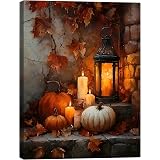
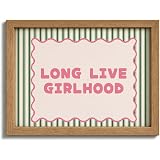
Wall decor is a powerful medium for personal expression and aesthetic enhancement. It provides an opportunity to infuse your personality and passions directly into your living space.
Thoughtfully selected art pieces can define a room’s character and serve as compelling focal points, drawing the eye and initiating conversation about your room decor choices.
Gallery Walls and Focal Art Pieces
A well-composed gallery wall tells a story, showcasing a collection of personal memories and artistic tastes. This curated display becomes a visual anthology of your life and interests.
Alternatively, a singular, impactful art piece can anchor a room with its commanding presence and scale, creating an undeniable statement within your room decor.
Beyond Traditional Frames
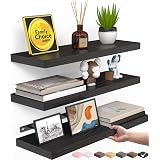
Exploration of tapestries, sculptural wall installations, or bespoke shelving can introduce unique visual interest. These alternative forms of wall decor break away from conventional expectations.
These elements extend the narrative of your room decor beyond conventional boundaries, allowing for greater creative freedom and individuality.
Furniture Placement and Spatial Flow
Effective furniture arrangement is critical for both functionality and aesthetic appeal within any room. It dictates how one moves through and interacts with the space.
Optimizing traffic patterns and creating distinct zones within a room maximizes its utility, making it comfortable and efficient for various activities. This is a core aspect of superior room decor.
Defining Functional Zones
Larger spaces can be segmented into areas for conversation, reading, or dining through intelligent furniture grouping. This delineation helps to organize an open-plan layout effectively.
Rugs are invaluable tools for visually defining these distinct zones within an open-plan layout, providing both softness underfoot and clear spatial boundaries for your room decor.
Ergonomics and Aesthetic Balance
Prioritizing comfortable seating and accessible surfaces ensures the space is as practical as it is beautiful. Ergonomic considerations are not merely utilitarian but integral to user experience.
Maintaining visual balance prevents a room from feeling either cluttered or sparse, contributing to a harmonious and inviting atmosphere that epitomizes excellent room decor.
Integrating Personal Narrative Through Thoughtful Accessorizing
Accessories are the final layer that imbues a space with personality and warmth. They are the details that transform a house into a home.
These elements are instrumental in reflecting the occupant’s individual journey and passions, making the room decor uniquely personal.
Selecting Meaningful Objects
Displaying cherished keepsakes, travel souvenirs, or handcrafted items tells a unique story. Each object adds a layer of depth and personal history to the environment.
Each object contributes to the overall narrative, creating a truly personalized environment and enriching your room decor with sentiment.
The Power of Subtlety
Avoid over-accessorizing; instead, opt for fewer, more impactful pieces. This approach maintains visual clarity and sophistication, allowing each item to be appreciated.
This method maintains visual clarity and allows each chosen item to truly shine, enhancing overall room decor without creating clutter. Thoughtful room decor ideas prioritize impact over quantity.
Spark Your Space: Your Decor Q&A
What is the purpose of good room decor?
Good room decor helps create a living space that reflects your personal style and improves your daily life, making it both aesthetically pleasing and functional.
How important are colors in room decor?
Colors are very important because they set the mood of a room, influencing whether it feels tranquil, energetic, or sophisticated.
What is the 60-30-10 rule in decorating?
The 60-30-10 rule is a guideline for choosing colors, where 60% of the room is a main color, 30% is a secondary color, and 10% is an accent color.
Why is lighting important for room decor?
Lighting is crucial because it can dramatically change a room’s atmosphere and how useful it is, allowing you to adjust the mood for different activities.
What is biophilic design in home decor?
Biophilic design focuses on bringing natural elements, like plants and wood, into your home to enhance well-being and create a connection with nature.