A recent survey indicates that over 70% of homeowners desire a more luxurious feel in their living spaces without undertaking extensive renovations. Achieving a high-end aesthetic is often perceived as requiring significant investment. However, subtle design choices greatly influence a home’s perceived value. The accompanying video expertly details ten common interior design pitfalls. This article expands upon these crucial insights. It delves into the granular aspects of elevating your home’s aesthetic. These strategies allow for a sophisticated interior on a practical budget.
Curtain Selection: Avoiding Visual Cheapness
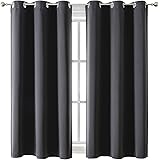
Curtains play a pivotal role in room aesthetics. Grommeted curtains are often chosen for convenience. However, they can instantly diminish a room’s elegance. Their inherent rigidity prevents a fluid drape. They also reveal their “store-bought” origin.
Furthermore, grommets introduce a metallic detail. This detail might clash with existing hardware. It disrupts the room’s chromatic harmony. A more refined approach involves using pleat hooks or clip-and-ring systems. These methods allow for custom-like pleating. They facilitate a softer, more tailored appearance. This visual cadence is paramount for a premium feel.
Achieving Custom Drapery Looks
Custom curtains are generally considered superior. They are tailored to exact window dimensions. Their material also drapes impeccably. Ready-made panels can mimic this luxury. Focus on panel width and length. Curtains should always hang high and wide. They should just kiss the floor or pool slightly. This creates a sense of grandeur. Doubling panels adds fullness. This also enhances perceived value. The absence of grommets permits a more sophisticated header style. This includes pinch pleats or goblet pleats. These details are easily achieved with clip rings. They significantly elevate the overall window treatment.
Strategic Color Application: Beyond Single Accents
The concept of an accent color is widely known. However, its application often leads to “matchy-matchy” interiors. This can inadvertently cheapen a space. A single, undifferentiated accent hue can appear simplistic. It lacks the depth found in expertly designed environments. Elevated design demands a nuanced approach to color.
Moreover, true chromatic sophistication involves layering. This means using varying shades of one dominant color. Alternatively, multiple complementary hues can be introduced. This creates visual interest. It also provides greater spatial dimension. Good design focuses on pairing elements. It moves beyond direct matching. This allows for a more organic and mature palette.
Cultivating a Nuanced Color Palette
Consider a monochromatic scheme. Use several tints and tones of blue. This provides visual richness. A dark navy accent wall might be paired with sky blue throw pillows. Light blue ceramic vases would complete the arrangement. Alternatively, a triadic color scheme can be employed. Select three colors that work harmoniously. For instance, deep olive green, soft cream, and subtle terracotta. These colors create balance. They ensure flow between distinct areas. The aim is to create a dynamic yet cohesive environment. This prevents any single color from dominating excessively.
Kitchen Cohesion: The Power of Matching Dishware
The kitchen is often the heart of the home. Its visual order impacts perceived luxury. Mismatched dishware can detract from this. It creates a sense of disorganization. This applies even if other elements are high-end. Uniformity in dishware creates an immediate impact. This is evident upon opening cabinet doors. It projects an image of meticulous curation. This attention to detail suggests a premium lifestyle.
Additionally, consistency simplifies daily routines. Putting dishes away becomes effortless. Any item will fit visually. This reduces mental clutter. It contributes to a calm, sophisticated atmosphere. The perceived value of the kitchen is elevated. This is achieved without any renovation.
Selecting Cohesive Kitchen Essentials
Matching dishware does not necessitate expensive brands. Focus on clean lines and a unified color. White ceramic sets are timeless. They offer versatility. Clear glass mugs provide a café-like experience. They also maintain a light, airy feel. Consider sets with varying sizes. This allows for functional diversity. Yet, they retain a seamless aesthetic. For example, a complete set of white porcelain plates, bowls, and ramekins creates visual continuity. This contributes significantly to an elevated kitchen environment. This simple shift enhances the entire culinary space.
Bedroom Luxury: The Oversized Duvet Effect
The bedroom should be a sanctuary. Bedding plays a crucial role in its luxurious feel. An under-sized duvet is a common mistake. It appears skimpy. It also fails to provide ample coverage. This detracts from a plush, inviting aesthetic. Sizing up your duvet significantly enhances luxury. It allows for a generous drape over the mattress. This mimics high-end hotel bedding. It also prevents blankets from being fought over. This creates a more indulgent experience.
Moreover, the extra fabric adds visual weight. It creates a “cloud-like” appearance. This visual plushness is key. It signals comfort and opulence. The difference is immediately discernible. It is a cost-effective way to upgrade. The tactile experience also improves greatly.
Cultivating a Plush Bedding Ensemble
For a twin bed, opt for a double duvet. A double bed benefits from a king-size duvet. King-size beds can utilize an oversized king option. This ensures ample overhang on all sides. Combine this with multiple pillow layers. Use euro shams behind standard pillows. Add decorative throw pillows. Choose high-quality materials. Cotton sateen or linen blends are excellent choices. They offer both comfort and sophisticated texture. This layering creates depth. It significantly amplifies the bed’s luxurious presence. The entire room feels more inviting.
Furniture Selection: Eschewing Integrated Cup Holders
Furniture forms the foundation of a room’s design. It defines comfort and style. Integrated cup holders are primarily functional. However, they consistently undermine a luxurious aesthetic. They often signify a bulkier design. They also introduce plastic elements. These materials rarely align with high-end finishes. The overall appearance becomes less refined. This detail can cheapen an otherwise well-appointed piece.
Furthermore, cup holders are not necessary. Side tables or coffee tables offer the same function. They do so with greater elegance. They also provide additional styling opportunities. A well-chosen side table enhances the room’s design. It introduces another element of curated taste. This elevates the space significantly. Discerning furniture choices are paramount.
Prioritizing Form and Function with Elegance
When selecting seating, prioritize clean lines. Look for quality upholstery. Consider pieces with subtle details. These might include tufting or elegant piping. If a beverage holder is essential, opt for freestanding solutions. A sleek metal drink table or a polished stone coaster set. These alternatives maintain a sophisticated visual standard. They also preserve the furniture’s premium integrity. Focusing on materiality and craftsmanship always yields superior results. This ensures longevity and enduring style.
Television Placement: Avoiding Corner Stands
The television is often a central feature. Its placement greatly impacts room flow. A TV stand shoved into a corner is problematic. It disrupts spatial dynamics. It creates an awkward focal point. The corner is rarely the intended visual anchor. This arrangement signals a lack of planning. It implies insufficient space. This makes the entire room appear less refined.
Moreover, corner placement compromises viewing angles. It can also create visual clutter. Cables become more noticeable. This detracts from a clean aesthetic. A thoughtfully placed TV enhances the room’s balance. It contributes to a cohesive design. The choice of placement is critical. It must integrate seamlessly into the overall layout.
Integrating Technology Thoughtfully
Consider mounting the TV on a prominent wall. This creates a dedicated media zone. Recessing the TV into a wall cavity offers a minimalist look. Art TVs, like Samsung’s “The Frame,” double as artwork. They disappear when not in use. Projectors can also be used. They offer a large screen experience. They can be hidden when not needed. For corners, if absolutely necessary, mount the TV. Integrate it above a corner fireplace. This provides an existing focal point. Strategic cable management is also vital. Concealed wiring contributes to a polished finish. These methods maintain aesthetic integrity.
Closet Optimization: Creating Spatial Luxury
Closets are often overlooked spaces. Yet, their condition impacts the entire bedroom. Overstuffed closets create visual chaos. This chaos extends beyond the closet doors. It makes the bedroom feel smaller. It implies a lack of adequate storage. This undermines any attempt at luxury. A sense of spaciousness is key to opulence. An organized, decluttered closet fosters this feeling. It creates a calming effect.
Furthermore, ample closet space improves functionality. Items are easily accessible. They are also visible. This streamlines daily routines. It transforms the experience of getting ready. This small detail significantly contributes to a luxurious home environment. It is about perceived abundance and order.
Implementing a Decluttering Protocol
Begin by decluttering rigorously. Donate or discard unused items. Implement seasonal clothing rotations. Store off-season garments elsewhere. Under-bed storage solutions are effective. Vacuum-sealed bags create extra space. Consider drawer dividers for small items. Maximizing vertical space is also crucial. Install extra shelves or hanging rods. A curated closet allows clothes to breathe. It enables clear visibility. This creates a boutique-like experience. This significantly enhances the entire bedroom’s perceived value. The feeling of luxury is instantly palpable.
Intentional Display: Less is More for Visual Impact
Surfaces are prime real estate for decor. Over-displaying items creates clutter. It overwhelms the visual field. This leads to a cramped, busy feeling. A sense of airiness is lost. Nothing stands out as special. Items lose their individual significance. This diminishes their conversational value. Curated displays are far more impactful. Each item should earn its place. It should contribute to the overall aesthetic. This approach signifies thoughtful design.
Moreover, intentional display highlights individuality. Special items can then truly shine. They become focal points. They tell a story. This draws the eye to unique pieces. It creates a layered and sophisticated environment. This prevents visual fatigue. The space feels considered and refined.
Mastering the Art of Curation
Adopt a “less is more” philosophy. Group similar items for impact. For instance, three varying heights of candles. Or a collection of art books on a coffee table. Use trays to contain smaller objects. This creates visual order. Rotate decor seasonally. This keeps displays fresh. It prevents stagnation. Allow negative space around objects. This gives them room to breathe. Each displayed item should evoke meaning. It should align with the room’s aesthetic. This level of curation enhances a home’s luxurious appeal. It reflects deliberate design choices.
Infusing Personality: The Hallmark of Sophisticated Interiors
Generic design often appears cheap. It lacks individuality. Many mass-produced homes share this flaw. They look standard and uninspired. This absence of unique character is palpable. It fails to create an engaging experience. A home should reflect its inhabitants. It should tell a personal story. This infusion of personality is key. It elevates a space beyond mere function. It creates a unique and memorable environment.
Furthermore, personality adds warmth. It makes a house feel like a home. Unique touches create conversation. They invite exploration. This fosters a connection with the space. It moves beyond sterile perfection. It embraces authenticity and soul. This deeply impacts perceived value. The home feels more bespoke.
Weaving Personal Narratives into Design
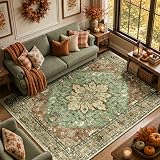
Incorporate unique art pieces. Display travel souvenirs meaningfully. Showcase family heirlooms. Choose furniture with distinct forms. These elements should resonate with you. Avoid generic wall art from big box stores. Instead, seek out local artists. Or display personal photography. Textiles with cultural significance add depth. A vintage rug, for example. These personal touches imbue a space with soul. They create a truly luxurious and inviting atmosphere. Such deliberate choices prevent your home from looking cheap.
From Cheap to Chic: Your Interior Design Q&A
What type of curtains should I avoid if I want my home to look more luxurious?
You should avoid grommeted curtains because their rigid design can make a room look less elegant and reveal their store-bought origin. Instead, opt for pleat hooks or clip-and-ring systems for a softer, more tailored appearance.
How can I make my kitchen appear more organized and high-end without major renovations?
A simple yet impactful way is to use matching dishware. Uniformity in your plates and bowls creates an immediate sense of order and meticulous curation, elevating the kitchen’s perceived value.
What’s an easy change to make my bedroom feel more luxurious?
Upgrade to an oversized duvet for your bed. This allows for a generous drape over the mattress, creating a plush, “cloud-like” appearance that mimics high-end hotel bedding.
Why should I avoid furniture with built-in cup holders?
Furniture with integrated cup holders often looks less refined and can cheapen a luxurious aesthetic due to their bulkier design and plastic elements. Side tables or coffee tables offer the same function with greater elegance and styling opportunities.
How should I display decorative items to avoid making my home look cluttered or cheap?
Adopt a “less is more” philosophy by curating your displays instead of over-displaying items. This allows each piece to stand out, contributes to a thoughtful design, and creates a more sophisticated environment.