Many homeowners encounter difficulties when striving to create a home environment that is both aesthetically pleasing and genuinely reflects their personal style. Common interior design mistakes can inadvertently lead to spaces feeling disjointed, cluttered, or lacking sophistication, which often prevents a residence from reaching its full potential. However, through the application of foundational design principles and a mindful approach to decor, these prevalent issues can be effectively addressed, transforming a house into a truly curated and elegant home.
The video above offers valuable insights into several key areas where design improvements are frequently necessary. This supplementary guide aims to expand upon these concepts, providing a more in-depth exploration of how to cultivate a dwelling that exudes thoughtful design and comfort.
Beyond the Showroom: Cultivating Unique Home Aesthetics
A frequent error observed in home decor involves replicating showroom aesthetics too closely. While retail displays are excellent sources for inspiration, they are intentionally staged environments that do not account for the practicalities of daily living.
Consequently, rooms designed to mirror a singular brand often lack the personalized touch essential for a truly inviting home. It is often recommended that diverse furniture pieces and decor items be sourced from various retailers to prevent this homogenous appearance. The intentional blending of styles and periods introduces character and narrative to a space, distinguishing it from a generic display.
Integrating Personal Narratives into Your Living Space
To infuse a home with authentic character, consider incorporating items that possess personal significance. These might include inherited heirlooms, pieces acquired during travels, or artwork that resonates deeply with your experiences.
Such elements contribute to a layered aesthetic that cannot be achieved through mass-produced items alone. Moreover, a cohesive design often emerges not from strict adherence to one style, but from a thoughtful curation of objects that collectively tell a story.
Strategic Use of Mirrors: Beyond the Illusion of Windows
The selection and placement of mirrors play a pivotal role in enhancing a room’s luminosity and perceived spaciousness. A common decorating pitfall involves the use of mirrors designed to mimic windows, which often come across as inauthentic.
Instead, focus should be placed on acquiring beautifully crafted mirrors that serve as elegant decorative features. Such pieces can effectively reflect natural light and create an open ambiance without resorting to visual deception.
Choosing Mirrors with Purpose and Style
When selecting a mirror, consideration should be given to its shape, frame, and overall design. An abstract or organically shaped mirror can introduce visual intrigue, while a gilded or ornate frame can elevate the room’s sophistication.
Proper positioning is also crucial; mirrors are best placed where they can reflect an appealing view or a source of light, thus maximizing their functional and aesthetic benefits. This approach ensures that the mirror acts as a design asset, contributing positively to the overall room composition.
Mastering Color Harmony: Avoiding Matchy-Matchy Pitfalls
The application of color is a powerful tool in interior design, yet matchy-matchy accent colors can inadvertently lead to a monotonous or overly prescriptive aesthetic. Rooms where every accent—from a wall to pillows and furniture—shares the exact same hue often lack visual depth and interest.
A more sophisticated approach involves employing a transitional color palette, where varying shades, tones, and complementary colors are blended. This technique creates a seamless flow and allows individual elements to stand out without competing for attention.
Applying Color Theory for Cohesive Design
In practice, successful color schemes often involve a dominant neutral base, punctuated by carefully selected accent colors that are introduced through various textures and patterns. Think of an accent color as an invitation, rather than an insistence.
The strategic use of color ensures that the eye is guided smoothly across the room, appreciating the subtle interplay of hues rather than being overwhelmed by a singular, repetitive shade. This measured approach contributes to a sense of visual equilibrium and refinement.
Balancing Textural Elements for Visual Interest
Texture is a critical component of interior design, adding a tactile and visual dimension to any space. However, an excessive accumulation of highly textured items can create an overwhelmingly heavy and unbalanced appearance, particularly in design styles other than boho or eclectic.
It is generally advised that a harmonious blend of smooth and textured surfaces be maintained to achieve visual balance. For instance, a plush rug can be offset by sleek furniture, or a coarse-woven blanket by smooth, metallic accents.
Achieving Equilibrium Through Contrasting Textures
When incorporating textures, the aim should be to create contrast without clutter. A room might feature a soft, knitted throw, a polished wooden table, and a smooth ceramic vase, each contributing its unique textural quality without dominating the space.
This thoughtful arrangement allows the eye to appreciate each element individually, preventing the visual “noise” that can result from too many similar textures. The interplay of different textures can significantly enhance the perceived richness and warmth of a room.
Rethinking Accent Arches: Architectural Detail vs. Trend
The trend of painting accent arches on walls has gained considerable traction, often serving as an attempt to introduce architectural interest or define a specific zone. While an arch painted above a headboard can create an appealing focal point, its indiscriminate application throughout a home can result in a disjointed and aesthetically questionable outcome.
Such painted features can appear out of place when they do not align with the inherent architectural lines or purpose of a room. It is often preferable to incorporate arched elements through actual furniture, mirrors, or accessories, which offer a more integrated and enduring design solution.
Integrating Arches with Intentionality
If the visual softness or classic appeal of an arch is desired, a more sophisticated approach involves selecting pieces that naturally feature this silhouette. An arched mirror, an arched cabinet, or even a doorway with a natural arch can introduce this curvilinear form harmoniously.
These elements integrate more seamlessly into the existing structure and decor, thereby avoiding the fleeting nature and potential awkwardness of a painted trend. The goal is to enhance, not to impose, architectural detail.
The Art of the Vignette: Mastering Surface Decoration
Over-decorating surfaces is a widespread challenge that leads to clutter rather than coziness. When every available surface is laden with decorative objects, the effect is typically one of visual noise, which detracts from the individual beauty of each item and makes a space feel unintentional.
The “rule of threes” is a foundational principle in styling vignettes, advocating for grouping objects in odd numbers—most commonly three—to create visually appealing and balanced arrangements. This approach introduces a sense of harmony and allows for crucial “visual breathing space.”
Implementing the Rule of Threes for Elevated Style
When applying the rule of threes, consider variations in height, texture, and form within the grouping. For example, a tall vase, a medium-sized decorative box, and a smaller, distinct object, perhaps a sculptural element, can form an engaging vignette.
Furthermore, ensure that adequate negative space surrounds these arrangements. This deliberate spacing ensures that each grouping is given prominence and the overall surface does not appear cramped. Thoughtful curation elevates a display from mere clutter to a focal point.
Theme Rooms: Subtlety Over Overtness
The creation of overtly themed rooms, characterized by an abundance of specific motifs and signs, frequently results in a simplistic and less sophisticated aesthetic. While a particular style, such as coastal or farmhouse, may be desired, an excessive display of related accessories can overwhelm the space and lack subtlety.
A more refined approach involves taking inspiration from the core elements of a theme—such as colors, textures, and a few select pieces—rather than replicating every possible themed item. This nuanced method allows for an elegant nod to the desired style without being literal.
Injecting Thematic Elements with Moderation
To achieve a sophisticated theme, focus on incorporating key colors, materials, and a limited number of symbolic items. For instance, a coastal theme might be conveyed through a palette of blues and sands, natural textures like jute or linen, and perhaps a single, sculptural piece reminiscent of marine life.
This understated strategy permits the theme to be felt rather than explicitly stated, thereby creating a more mature and inviting ambiance. The room then becomes inspired by, rather than imprisoned by, its theme.
Elevating Home Fragrance: The Power of Natural Scents
The scent of a home significantly contributes to its overall ambiance and perceived luxury. Artificial, overly sweet, or synthetic fragrances, commonly found in many mass-market candles and diffusers, can often detract from a sophisticated environment, sometimes even causing discomfort.
Conversely, natural and refined scents, such as eucalyptus, ylang-ylang, rose, or sandalwood (Santal), introduce an element of elegance and sophistication. These fragrances are typically more complex and nuanced, creating a welcoming and upscale olfactory experience.
Curating an Olfactory Experience for Your Home
Investing in high-quality essential oil diffusers or natural wax candles with pure essential oils is an effective means of scenting a home. These options not only provide a superior fragrance but also avoid the harsh chemical undertones associated with synthetic products.
Choosing scents that align with the mood and season can further enhance the home’s atmosphere, transforming it into a sensory sanctuary. A thoughtfully chosen fragrance can leave a lasting impression, reflecting a keen attention to detail.
Perfecting Sofa Pillows: Beyond the Uniform Grid
The arrangement of sofa pillows is crucial for both comfort and visual appeal. A common aesthetic misstep involves overcrowding a sofa with numerous square pillows of uniform size, which can make the seating appear uncomfortable and uninviting.
Optimal pillow arrangement dictates a layered approach, with varying sizes, shapes, and textures, creating an inviting and dynamic display. The strategic placement of pillows contributes to the overall ergonomic comfort and visual softness of the sofa.
Layering Pillows with Proportion and Purpose
When selecting and arranging pillows, it is recommended to start with the largest pillows at the back, followed by medium-sized ones, and then smaller, more decorative pillows or lumbar cushions at the front. This tiered approach, reminiscent of a school picture arrangement, ensures that each pillow is visible and accessible.
Furthermore, arranging pillows at a slight angle rather than rigidly straight creates a more relaxed and lived-in feel, inviting guests to sit comfortably. This technique prevents the sofa from appearing overly stiff or formal, achieving a more sophisticated appeal.
The Impact of Rug Sizing: Anchoring Your Space
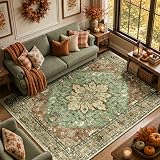
A rug serves as a foundational element within a room, defining the space and anchoring furniture arrangements. The selection of an incorrectly sized rug, particularly one that is too small, is a frequent design error that can visually shrink a room and cause furniture to appear adrift.
It is widely accepted that a larger rug is almost always preferable, ensuring that at least the front legs of all primary furniture pieces rest upon it. This creates a cohesive “island” for the furniture, establishing visual unity and stability within the room.
Measuring for Optimal Rug Dimensions
To determine the appropriate rug size, it is advisable to measure the seating area and consider the layout of the furniture. Using painter’s tape to outline the desired rug dimensions on the floor can provide a visual aid, helping to conceptualize the scale before purchase.
A well-proportioned rug effectively unifies the disparate elements of a room, adding warmth, texture, and a sense of completeness. This crucial element prevents the fragmented appearance often resulting from common interior design mistakes and enhances the overall sophistication of the space.
Beyond the Don’ts: Your Design Q&A
How can I make my home feel unique and less like a store showroom?
To make your home unique, avoid buying all your decor from one store. Instead, mix furniture and decor from different places and include items with personal meaning.
What is a common mistake people make when choosing a rug for a room?
A common mistake is choosing a rug that is too small for the space. A properly sized rug should be large enough for at least the front legs of your primary furniture pieces to rest on it, which helps define the area.
How should I arrange pillows on my sofa to make it look inviting?
Layer your pillows by placing the largest ones at the back, followed by medium-sized, and then smaller decorative pillows or lumbar cushions at the front. Arranging them at a slight angle creates a more relaxed feel.
Why should I avoid making all my accent colors perfectly match in a room?
When all accent colors match exactly, a room can look monotonous and lack visual depth. A more sophisticated approach uses varying shades, tones, and complementary colors to create visual interest and flow.
How can I prevent surfaces from looking cluttered when decorating with objects?
To avoid clutter, use the ‘rule of threes’ by grouping objects in odd numbers, typically three, while varying their height, texture, and form. Ensure there is also adequate empty space around these arrangements.