Elevating a home’s aesthetic often involves a paradox: true sophistication is frequently achieved not by accumulation, but by careful subtraction. An astounding 20 elements are commonly identified by design professionals as impediments to an “expensive home look.” These seemingly innocuous details can subtly diminish a space’s perceived value and overall tranquility. Consequently, the pursuit of an elevated interior design scheme mandates a critical assessment of existing components, focusing on the removal of visual friction. This strategic approach ensures that every remaining item contributes meaningfully to an atmosphere of calm and deliberate beauty, transforming any residence into a truly refined sanctuary. The following discussion elaborates on these 20 critical considerations, providing deeper insights into achieving an elevated home through intentional editing.
Cultivating Visual Serenity: Eliminating Distractions for an Elevated Home Aesthetic
The essence of an expensive home look lies in its understated elegance and deliberate visual harmony. Often, a space’s potential is obscured by a multitude of small distractions. These elements introduce visual noise, hindering the creation of a cohesive and calming environment. Therefore, a meticulous approach to decluttering and refining becomes paramount. Such a process transforms a dwelling from merely decorated to genuinely designed.
1. Mitigating Cable Chaos
Tangled cables represent a significant source of visual disruption. They fragment sightlines, thereby impeding the desired sense of calm. Designers consistently note that even minor visual interruptions can render a space feeling disheveled. Therefore, routing cords discreetly behind furnishings is recommended. Alternatively, the use of matching cable covers or the adoption of wireless lighting solutions can effectively diminish this visual clutter. When extraneous visual noise is removed, a space achieves a more serene quality.
2. Optimizing Rug Proportions
A rug’s primary function is to anchor a seating area or zone within a room. When a rug is undersized, appearing to float centrally, it inadvertently destabilizes the entire layout. A fundamental design principle dictates that the front legs of primary furniture pieces should rest upon the rug. This specific detail instantly connects the various components of a room, creating a more expansive and intentional feel. The perceived value of a rug is thus linked more to its proportional integrity than its actual cost.
3. Diversifying Cushion Textures and Tones
Excessively matched cushions often result in a static and uninspired aesthetic. Design vibrancy is frequently derived from the interplay of contrast and depth. When all cushions are identical, the visual dimension of a space is diminished. Instead, a thoughtful blend of textures, scales, and tones is advisable. For instance, pairing a boucle cushion with linen or velvet with cotton introduces tactile richness. Maintaining a cohesive color palette while varying materials fosters a sophisticated and considered appearance.
4. Streamlining Entryway Decor
The entryway serves as a home’s initial impression, its visual handshake to visitors. Consequently, this area should never be characterized by clutter. Over-decoration in entryways, such as excessive baskets, umbrellas, or large vases, creates visual friction. Instead, a commitment to simplicity is encouraged. A single sculptural bowl for keys, a carefully selected piece of artwork, and warm, inviting lighting establish a clear message of calm and intentional design from the outset.
5. Curating Gallery Wall Compositions
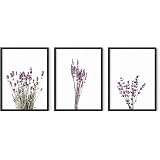
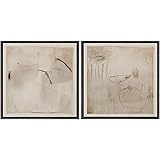
Gallery walls possess the potential for stunning visual impact but can quickly devolve into visual chaos if executed poorly. A common misconception involves equating more frames with greater personality. However, the eye requires visual resting points. Fewer, larger art pieces can impart a sense of authority and gravitas. Alternatively, a precisely gridded arrangement of evenly spaced frames in harmonized tones offers a sophisticated alternative. Intentional restraint consistently communicates a higher-end aesthetic than visual overload.
6. Updating Bedding Selections
The once-popular glossy, overtly matched bedding sets now frequently convey a dated and overly staged appearance. A bedroom environment should instead project an inviting and naturally elevated lived-in quality. Layering neutral textures, rather than relying on color-matched sets, achieves this desired effect. Integrating cotton, linen, and wool introduces depth and comfort. The objective is not unblemished perfection, but rather an atmosphere of peaceful luxury, where a bed appears effortlessly made, not manufactured.
7. Harmonizing Metal Finishes
The indiscriminate mixing of metal finishes can undermine a home’s sense of design cohesion. While intentional metal mixing can be visually compelling, a multitude of competing finishes across taps, handles, and frames generates significant visual tension. Chrome, brass, black, and gold each possess distinct undertones and inherent personalities. Chrome often denotes modern cleanliness, brass conveys timeless richness, and black evokes an architectural sensibility. When these elements vie for attention within a single space, the result appears accidental rather than deliberately designed. The resolution is straightforward: establish one dominant metal finish and replicate it consistently. A secondary tone may then provide a complementary accent, avoiding competition. This consistency is instrumental in fostering calm, which is universally perceived as luxurious.
8. Moderating Artificial Fragrance
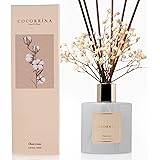
Scent significantly influences a home’s atmosphere; however, an overabundance of artificial fragrance diminishes its sophisticated appeal. The simultaneous use of plug-ins, room sprays, and multiple scented candles often results in clashing aromas. This can cause a home to resemble a retail environment rather than a personal sanctuary. Selecting one subtle, signature scent and applying it sparingly is recommended. A single high-quality diffuser or a beloved candle typically suffices. Truly sophisticated homes are characterized by subtle sensory experiences, not overwhelming ones.
9. Consolidating Micro-Decor
An excessive proliferation of small decorative objects, such as numerous bowls, candles, and ornaments, can visually fragment a room. When all items are small in scale, nothing is afforded prominence. Expert designers engage in curation, grouping smaller items into cohesive vignettes that narrate a singular story. These curated arrangements are then afforded ample negative space to breathe. The deliberate incorporation of space itself is a powerful indicator of luxury.
10. Upgrading Dated Hardware
For an immediate and cost-effective enhancement of a space’s perceived value, updating hardware is highly impactful. Hardware functions as the jewelry of the home. Obsolete chrome knobs or tarnished yellow brass can instantly date cabinetry. Replacing these with brushed metals, matte black finishes, or aged brass—chosen to complement the existing color palette—can effect a significant transformation. Minor details collectively contribute to a substantial shift in overall aesthetic quality.
11. Recognizing Ceiling and Floor as Design Elements
Walls frequently receive extensive decorative attention, while the ceiling and floor are often overlooked. Yet, these two expansive surfaces profoundly influence a room’s atmosphere. The ceiling, often termed the “fifth wall,” effectively frames all elements beneath it. Considering a ceiling paint color one shade darker than the walls can introduce warmth and intimacy. Alternatively, adding subtle panel detailing can enhance depth. On the floor, strategically placed rugs define zones and connect disparate elements. Runners can guide the eye through a space, while textural rugs provide grounding. Effective interior design is never solely horizontal; it is an all-encompassing, three-dimensional endeavor.
12. Refreshing Fabric Textiles
Familiarity with a home’s textiles can lead to visual desensitization. Faded cushions, flattened throws, and worn curtains contribute to a dull atmosphere. Textiles inherently convey emotion and vitality. Refreshing them can revitalize a room’s energy. A seasonal rotation of fabrics, such as linen and cotton for warmer months and wool and boucle for cooler seasons, is an effective strategy. The objective is to cultivate visual movement and textural interest, which maintains a home’s dynamic appeal.
13. Intentional Shelf Styling
A common error in home styling involves over-styled shelves, where every available surface is filled. This often results in a visual impression of decor existing solely for its own sake. The deliberate inclusion of white space, or negative space, is an embodiment of elegance. Shelves should be styled using odd numbers of items, varying heights and depths, and mixing materials such as wood, glass, and ceramic. An expertly styled shelf should convey an impression of effortless curation, rather than rigid arrangement.
14. Opting for Authentic Greenery
Live plants introduce natural movement and a charming degree of imperfection, which are precisely what render them beautiful. While artificial foliage offers practicality, it rarely achieves genuine authenticity. For those unable to maintain living plants, sculptural dried stems or preserved greenery present an excellent alternative. These options contribute warmth and an organic sensibility that is palpable upon entering a space, enhancing the overall appeal of an expensive home.
15. Investing in Quality Frames and Mirrors
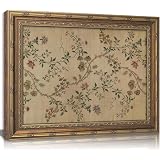
Artwork merits appropriate framing; plastic or overly glossy frames can unfortunately make even exceptional prints appear temporary. Re-framing pieces with materials like timber, black metal, or thoughtfully painted second-hand finds elevates their perceived value. The investment is not merely financial; it reflects a commitment to care. The frame itself communicates the reverence afforded to the artwork it encases, significantly impacting the sophisticated home aesthetic.
16. Moderating Cushion Quantity
A sofa excessively laden with cushions can paradoxically detract from comfort and style. If sitting on a sofa becomes an effort, an edit is warranted. The goal is not quantity but quality. Two or three larger, high-quality cushions, thoughtfully selected, are generally sufficient to invite relaxation and exhalation. Comfort is, in itself, a form of luxury within an elevated design scheme.
17. Releasing “Guilt Furniture”
The most challenging items to remove from a home are frequently those associated with significant financial outlay. A sofa that does not fit the space, or a cabinet that was never truly admired, can become fixtures of guilt rather than joy. However, interior design is fundamentally an evolutionary process. If an item no longer serves its purpose or brings pleasure, it occupies valuable space and drains energy. Releasing, selling, or re-homing such pieces allows a home to adapt and grow alongside its inhabitants, fostering a truly intentional living environment.
18. Addressing Invisible Clutter
Clutter does not always manifest as overt messiness; sometimes, it is subtly present yet psychologically impactful. Piles that have become visually integrated into the environment, partially decorated surfaces, or overflowing storage containers can generate significant mental noise. The act of clearing even a single surface can evoke a profound sense of peace. This sensation underscores the profound psychological benefits of thoughtful design, contributing to a calm and expensive home atmosphere.
19. Employing Restraint with Harsh Colors and Patterns
Color possesses potent emotional power. Excessive saturation or stark contrast within a palette can create visual tension and restlessness. Proficient designers adeptly balance contrast with overarching calm. The strategic application of neutral tones allows the eye to rest, with carefully chosen accessories providing moments of warmth or depth. This principle of restraint is fundamental, permitting the inherent beauty of a space to truly resonate and contributing to a sophisticated and serene environment.
20. Embracing Design Intention
The single most significant element to eliminate is not a physical object, but rather the absence of intention. Every space within a home should actively support the desired lifestyle, encompassing how one rests, gathers, and works. When design decisions are underpinned by clear intention, every element harmonizes. This alignment cultivates feelings of calm, lightness, and genuine belonging within one’s own space. The most aesthetically beautiful homes are not those overflowing with possessions; instead, they are the most meticulously considered, embodying the true spirit of an expensive home through thoughtful, purposeful design.
The Art of Subtraction: Your Questions on an Expensive Home
What is the main idea behind making a home look expensive?
To make your home look expensive, focus on removing unnecessary items and reducing visual clutter. This creates an atmosphere of calm, deliberate beauty, and understated elegance.
Why should I hide tangled cables in my home?
Hiding tangled cables helps your home look more sophisticated and calm. Visible cords create ‘visual noise’ that can make a space feel messy and less intentional.
How should a rug be placed in a room?
A rug should be large enough so that the front legs of your main furniture, like a sofa, can rest on it. This helps anchor the furniture and makes the room feel more intentional and spacious.
What is ‘guilt furniture’ and why should I consider removing it?
‘Guilt furniture’ refers to items you keep because of their cost or sentimental value, even if they don’t fit your space or bring you joy. Removing these pieces allows your home to better suit your needs and bring you more pleasure.
What does ‘design intention’ mean for my home?
Design intention means making deliberate choices about how your home supports your lifestyle and how you use each space. When you design with intention, every item and arrangement works together to create a harmonious and purposeful environment.