Are common design mistakes inadvertently making your house look less refined than you desire? In the accompanying video, Garrett insightfully details several common missteps that can diminish the perceived value and aesthetic appeal of a home. Often, subtle elements contribute to a space feeling less intentional or even “cheap.” This article delves deeper into these critical errors, offering expanded insights and practical solutions for elevating your home’s aesthetics and ensuring every detail contributes to a cohesive, luxurious feel.
Strategic Television Placement: A Foundation for Intentional Design
Improper television placement is frequently cited as a significant design mistake that can detract from a room’s overall aesthetic. When a television is mounted too high, it is observed that the entire proportion and scale of a living space are disrupted. This common error can cause the large, dark screen to become an overpowering focal point, drawing the eye upwards in an unnatural manner.
Understanding Visual Harmony and Scale
The visual impact of a television cannot be overstated; it is often one of the first elements noticed upon entering a room. Studies in visual perception suggest that an unnaturally high placement can create an imbalanced aesthetic, causing discomfort. The horizontal nature of most modern televisions accentuates this issue, making a high mount appear particularly awkward. Optimal viewing height is generally achieved when the center of the screen is at eye level when seated, aligning with ergonomic principles for comfort and visual integration.
Achieving a Flush and Intentional Look
A crucial aspect of elevating home design is the method of mounting. Flush mounting a television directly against the wall significantly enhances its integration into the space. This approach eliminates the unsightly gaps, visible wiring, and dust accumulation often associated with leaning or extended mounts. When a television is mounted flush, it contributes to a cleaner, more streamlined, and more intentional appearance. Furthermore, pairing the television with a low-profile media console is recommended. This ensures that the console fits proportionally underneath the screen without blocking the view, a design choice often seen in high-end interiors where functionality meets sophisticated styling.
Curating Art: Moving Beyond Generic Sets
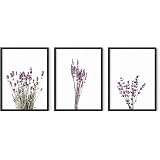
The selection and arrangement of artwork play a pivotal role in personalizing a home; however, relying on generic art sets is often identified as a design mistake. While convenient, pre-matched sets, especially those featuring abstract or inverted patterns, frequently communicate an impersonal, staged, or builder-grade aesthetic. It is widely acknowledged in design circles that such pieces fail to convey individuality or depth.
Infusing Personality Through Art Selection
Artwork is an opportunity to express personal style and tell a story within a space. Data from interior design trend analyses indicate a growing preference for unique, thoughtfully chosen pieces over mass-produced sets. When art is selected, even if budget-friendly, it should reflect the homeowner’s personality or reference the existing color scheme and overall design narrative. For instance, incorporating a large, abstract piece with colors pulled from other elements in the room can create cohesion without resorting to matching sets. This approach fosters an impression of a well-considered and curated environment.
Intentionality Over Replication
The goal is to create a dynamic visual interest that speaks to the home’s inhabitants. Instead of two inverted prints, consider a single impactful piece, or a collection of varied art that shares a common thread, such as a similar frame style or thematic connection. Such intentional choices are shown to contribute to a more sophisticated and less transient aesthetic. This method avoids the “staged home” perception, ensuring that the art truly elevates the space rather than merely filling a void.
Rethinking Rugs: The Pitfalls of Glam Shag
While often perceived as luxurious, the “glam style” shag rug can paradoxically make a space appear less refined and, ultimately, make your house look cheap. The shiny, synthetic fibers common in these rugs are prone to matting and shedding, quickly losing their initial appeal. This practical drawback significantly impacts the rug’s longevity and aesthetic contribution.
Durability and Perceived Value in Rug Selection
Industry observations reveal that the delicate nature of glam shag rugs frequently leads to a diminished appearance over time. Despite initial softness, their tendency to mat creates a messy and unkempt look that is difficult to remedy through standard cleaning methods. The struggle to vacuum or maintain these rugs effectively means they often fall short of the high-end look they are intended to emulate. Furthermore, the synthetic sheen can often be perceived as “plastic-like,” detracting from a genuinely luxurious feel.
Opting for Enduring Elegance
For a more enduring and genuinely elegant floor covering, alternative materials and constructions are recommended. For example, a wool tufted area rug, when properly constructed and maintained, typically offers a far more luxurious and substantial feel. While tufted rugs can also shed if of poor quality, well-made options provide superior durability and a richer texture. Other options like natural fiber rugs (jute, sisal) or low-pile wool rugs are also known to maintain their appearance better, contributing to a consistently elevated aesthetic that is less susceptible to looking worn or cheap over time.
Navigating Design Trends: Mixing Styles, Not Just Fads
A common design mistake that can quickly date a home and diminish its perceived value is the indiscriminate mixing of fleeting design trends. When mass-produced trends are combined without a cohesive strategy, the result is often a disjointed and unintentional appearance. This approach often leads to spaces that look like they were furnished from a series of “latest arrivals” rather than a thoughtfully curated collection.
The Problem with Trend Overload
Research into consumer purchasing habits suggests that as trends gain widespread popularity, the market often responds with increased production, sometimes leading to a compromise in quality. Homeowners who simply acquire the “cool” new items from various trends risk creating a home that lacks a timeless foundation. For instance, combining black velvet furniture, boucle accents, and slat panel walls without a unifying design language can result in a chaotic aesthetic that rapidly feels outdated. Such mixtures typically lack the logical connections necessary for a sophisticated, cohesive environment.
Curated Style Integration
Instead of mixing trends, expert designers advocate for mixing styles. This involves thoughtfully blending elements from different design aesthetics (e.g., a farmhouse table with mid-century modern chairs) while maintaining consistency across the home. When different styles are introduced, it is important for reference points to exist throughout the space, ensuring intentionality. For example, if mid-century chairs are used, a complementary mid-century accent or piece should appear elsewhere in the room or an adjacent area. This ensures that the chosen elements feel like part of a larger, coherent narrative, contributing to a timeless and polished look that subtly elevates your home design.
Intentional Bedding Strategies: Beyond the Matching Set
The “bed in a bag” or a fully matching bedding set is frequently pointed out as a design mistake that can make a bedroom appear cheap or impersonal. While convenient, these pre-packaged sets often lack the layered, nuanced quality found in designer-approved spaces. The uniformity of matching comforters, shams, and sheets typically conveys a temporary or mass-market aesthetic, reminiscent of hotel or Airbnb styling.
The Impact of Cohesive Layering
Design principles emphasize the importance of layering and texture in creating a luxurious and inviting bedroom. A single matching set often falls short in this regard, lacking the visual depth that comes from combining different materials, patterns, and solid colors. Observations of high-end interior designs indicate a preference for solid, neutral sheets, typically in white, which serve as a clean and classic foundation. This choice allows for greater flexibility in introducing color and pattern through other elements, such as the comforter and decorative pillows.
Crafting a Personalized Bed Ensemble
To elevate your home’s aesthetics in the bedroom, a more deliberate approach to bedding is recommended. Instead of a patterned comforter, consider a solid-colored option that either complements the room’s palette or provides a sophisticated neutral backdrop. If a pattern is desired, it is suggested that its background color align with the room’s wall color or a dominant hue, allowing it to blend seamlessly rather than stand out jarringly. A quilt or throw blanket can then be added for texture and warmth, with accent pillows providing opportunities for bolder patterns or unique details. This method, involving a thoughtful blend of solids, textures, and selective patterns, creates a custom and luxurious look that feels curated rather than pre-fabricated.
The Power of a Design Plan: Avoiding Costly Mistakes
The most pervasive design mistake, capable of undermining all other efforts to elevate home design, is the failure to establish a comprehensive design plan. Without a clear vision, decorating decisions often become reactive and disjointed, leading to spaces that feel uncoordinated, inefficient, and ultimately, appear cheap. This lack of foresight can result in significant financial waste and ongoing dissatisfaction with the home’s aesthetic.
The Foundation of Intentional Spaces: Mood Boards
Industry best practices strongly advocate for the creation of a mood board as a foundational step in any decorating project. A mood board, compiled from images, textures, and color palettes, allows a homeowner to visualize their aspirations and consolidate their design intent. Studies on design project efficiency suggest that projects initiated with a clear mood board are significantly more likely to achieve desired outcomes and remain within budget. This tool serves as a constant reference, guiding future purchases and ensuring consistency, particularly when decorating occurs over an extended period. It helps to clarify the overall aesthetic and functional needs, preventing impulse buys that do not align with the overarching vision.
Functional Planning for Livable Luxury
Beyond aesthetics, a design plan must consider functionality. This includes mapping out furniture placement to optimize flow and seating arrangements to meet the practical needs of the household. A well-planned layout considers traffic patterns, the number of occupants, and potential entertainment scenarios, ensuring comfort and utility. Observations show that rooms planned for specific use cases, such as convertible seating for guests or multi-functional furniture, contribute more effectively to a luxurious and livable environment. By taking the time to plan thoughtfully, both aesthetic appeal and practical needs are met, ensuring that the home not only looks intentional and designed but also serves its inhabitants effectively.
Elevate Your Home: Your Design Q&A for 2026
How high should I mount my television in a living space?
The optimal height is usually when the center of the screen is at eye level while you are seated, ensuring comfortable viewing and better visual integration. Mounting it flush to the wall and pairing it with a low-profile media console also creates a cleaner look.
Why should I avoid generic art sets when decorating my home?
Generic art sets can make your home feel impersonal, staged, or builder-grade. Choosing unique pieces that reflect your personality or complement your room’s existing design helps create a more curated and sophisticated environment.
What kind of rugs are recommended for an elegant look, and what should I avoid?
You should avoid “glam style” shag rugs, as their synthetic fibers often mat and shed quickly, looking cheap over time. Instead, opt for durable options like wool tufted or natural fiber rugs for a more enduring and luxurious feel.
What’s wrong with using a “bed in a bag” set for my bedroom?
“Bed in a bag” sets often lack the layered textures and varied materials needed to create a luxurious and inviting bedroom. A more personalized approach involves combining solid neutral sheets with a complementary comforter and adding accent pillows and throws.
Why is it important to have a design plan before decorating my home?
A design plan helps you create a clear vision for your home, preventing uncoordinated decisions and wasted money. Using a mood board and planning furniture placement ensures your space is cohesive, functional, and intentionally designed.